You can't drive away the moment the glass is on. How long you wait depends on the adhesive used, the temperature and humidity on the day, and the vehicle. There isn't one honest number for every job, and anyone quoting one without asking about your car is guessing.
Here's what's behind the wait, and how to treat a new windscreen afterwards.
What actually holds the windscreen in
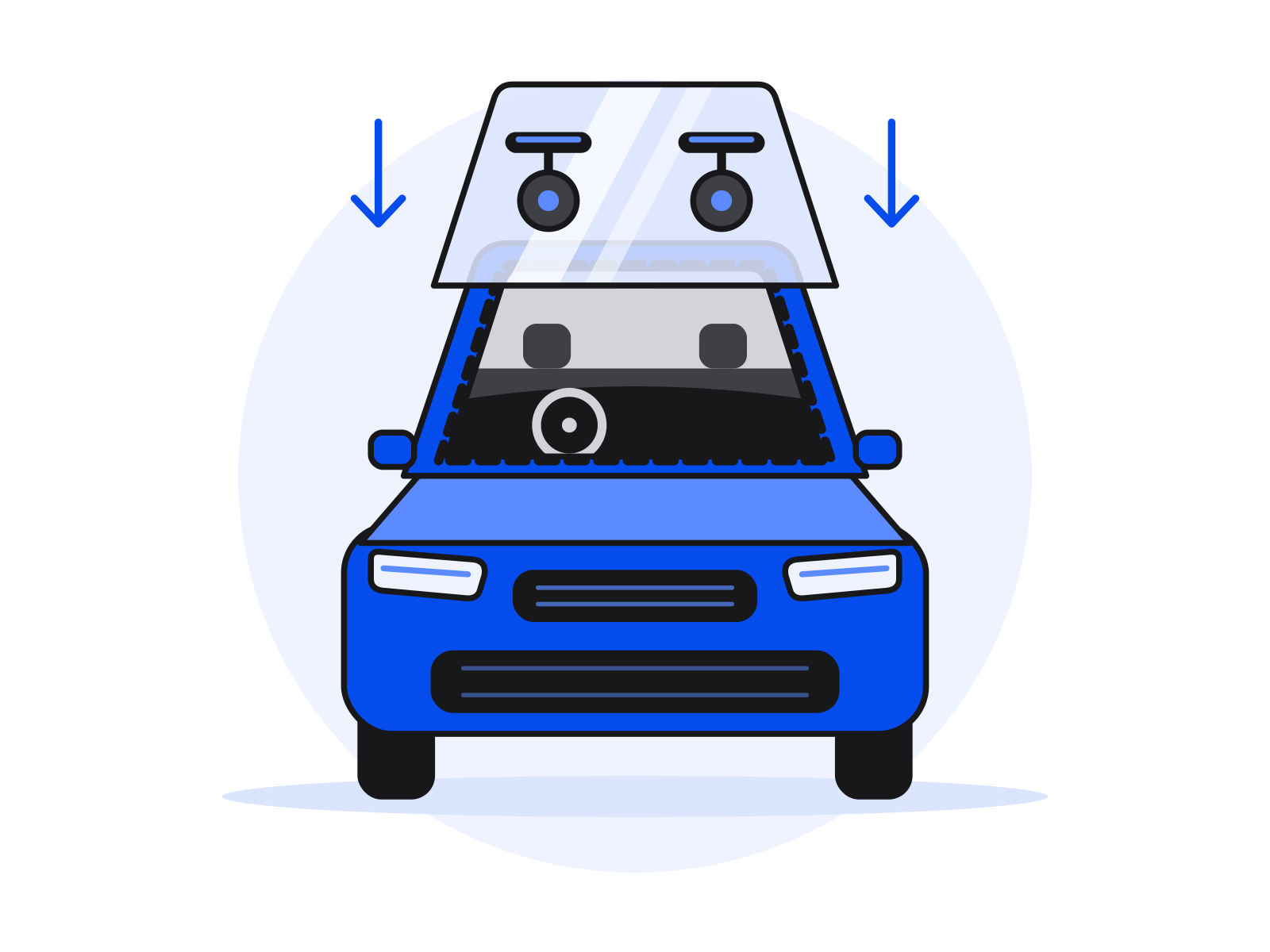
A modern windscreen isn't held in by a rubber seal. It's bonded to the body with urethane, a strong adhesive laid in a bead around the frame. That bond is structural. It keeps the glass from coming out in a collision and it's what the passenger airbag leans on when it deploys. The windscreen also adds to the stiffness of the cabin.
Urethane doesn't dry like paint. It cures by reacting with moisture in the air, working from the outside of the bead inwards. Until it has cured enough, it doesn't have the strength the car was designed around.
What 'safe drive-away time' means
Adhesive makers test their products and publish a safe drive-away time for the conditions they tested in. It's the point at which the bond is strong enough for the car to be driven, with the passengers and airbags the manufacturer designed for.
As general guidance, many modern urethanes are safe to drive on after around an hour in mild conditions. We treat that as a starting point, not a promise, for these reasons:
- The product. Different adhesives have different times, and the data sheet for the one we use on your job decides.
- The weather. Cold slows the cure. Temperature and humidity both change how fast it goes.
- The vehicle. Some cars with extra airbags or a bigger glass area have longer times than others.
We give you the time for your job before you leave, and we don't hand the keys over early. If you've seen the FAQ, this is the same answer in more detail.
Looking after it for the first 24 to 48 hours
- Leave the retention tape on. The strips across the glass and pillars hold it in place while the bond builds. Leave them on until we tell you they can come off, which is usually about a day.
- Skip the car wash. Automatic washes and high-pressure hoses push water and force against the edges of fresh glass. Wait a couple of days before a wash that isn't a gentle hand wash.
- Close the doors gently. A slammed door creates a pressure pulse inside the cabin that pushes on the new glass. Leaving a window open by a finger's width takes the pressure out.
- Avoid rough roads and potholes where you can.
- Don't stick anything to the glass, and don't pull at the moulding or the tape.
- Check the windscreen for leaks or wind noise on the first wet or windy drive. If you notice either, tell us. It's a quick fix when it's caught early.
It's also worth parking out of strong sun for the first day if you can, although it isn't essential.
Why calibration comes after the bond is set
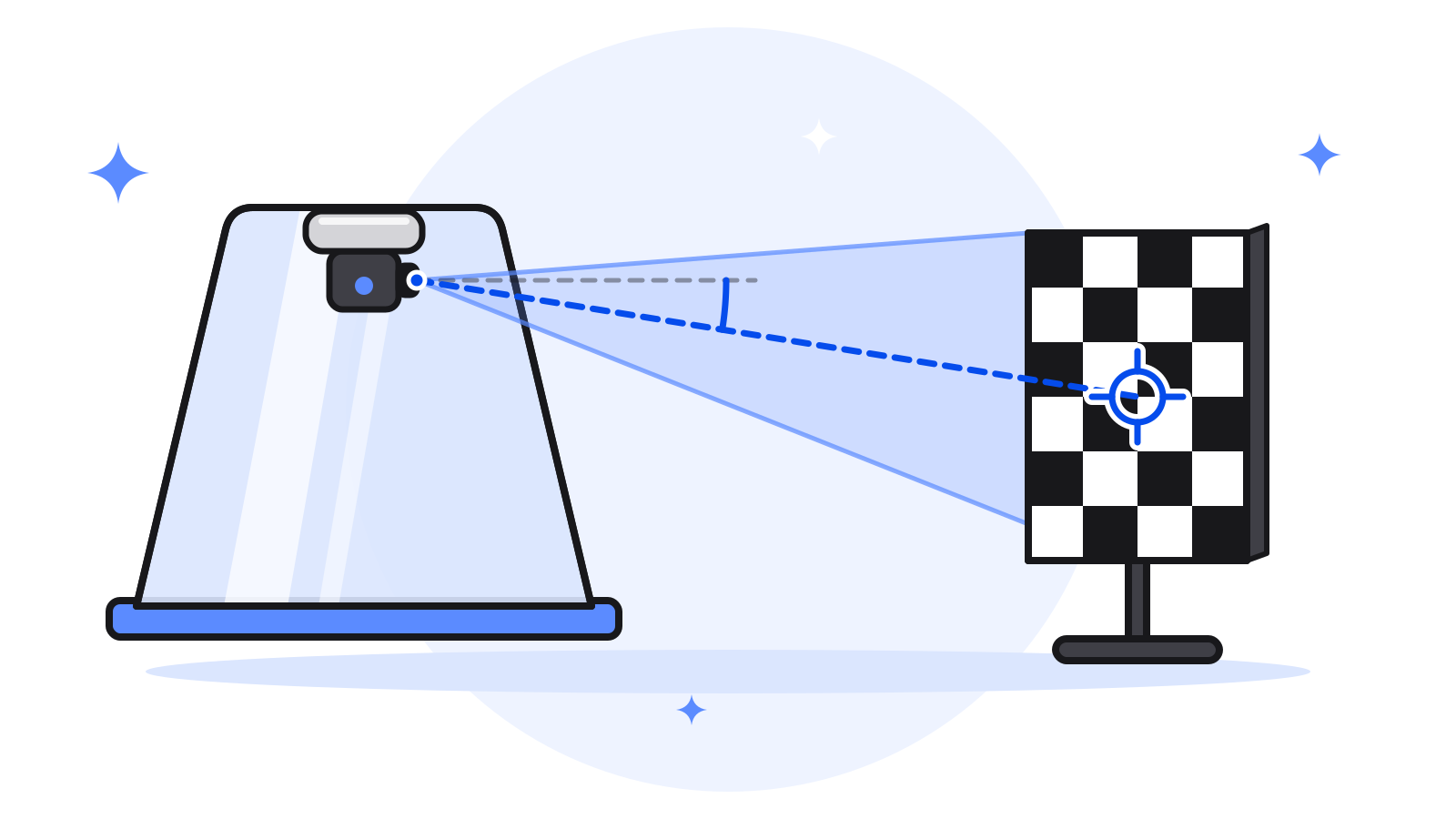
If your car has a windscreen camera, it needs calibrating after the glass is fitted. That step has to wait for the adhesive for a simple reason: the camera needs the glass to be fixed in its final position.
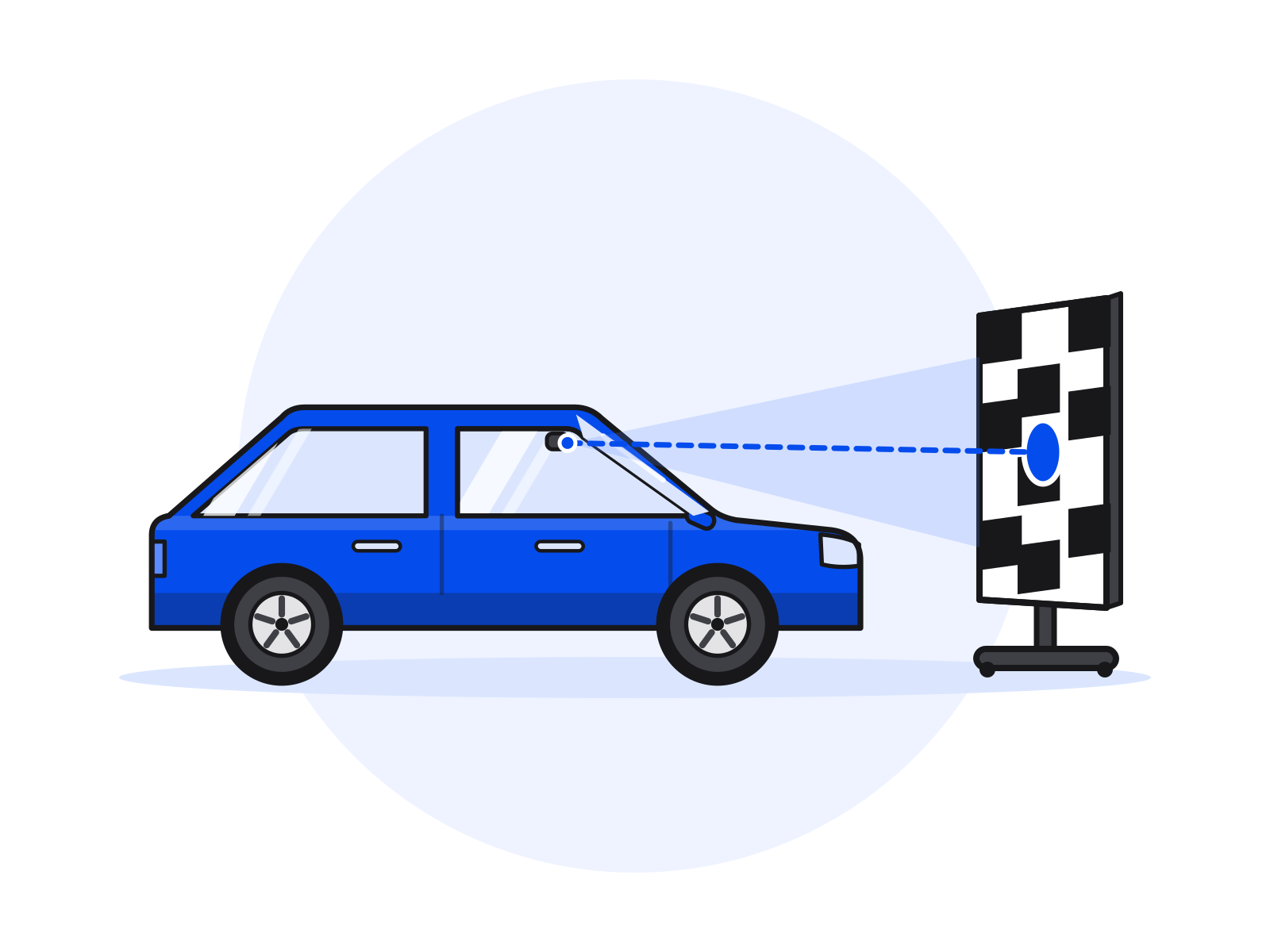
Static calibration uses targets set at measured distances, and the aim of the camera is calculated from where the glass sits at that moment. If the urethane is still soft and the glass shifts afterwards, the calibration is wasted. Dynamic calibration involves driving the car on the road, which is only appropriate once the bond is up to strength.
That's why a glass and calibration bundle is planned around the cure rather than rushed. The car stays with us for the wait, then goes onto the calibration floor, and you collect it with the glass bonded and the camera calibrated.
Questions to ask your fitter
- What's the safe drive-away time for my car today?
- How long should the retention tape stay on?
- Does my car need a camera calibration, and is it being done before I collect it?
- When can I take it through a car wash?
A good fitter will answer these without needing to look anything up. If you're planning a replacement, you can get a quote through the contact form and ask us any of these before you book. Our windscreen replacement page lays out the steps from start to finish.